
Air source heat pumps are gaining popularity as an energy-efficient solution for home heating and cooling. They offer a sustainable alternative to traditional systems, reducing both energy bills and carbon footprints.
The federal government recognizes their benefits and offers a tax credit to encourage their adoption. This air source heat pumps tax credit can significantly offset installation costs, making these systems more accessible to homeowners.
Understanding how this tax credit works is crucial for those considering an upgrade. It involves specific eligibility criteria and an application process that must be followed.
Additionally, this tax credit is part of a broader initiative to promote renewable energy and reduce emissions. By investing in air source heat pumps, homeowners contribute to a more sustainable future while enjoying financial savings.
This guide will explore the details of the tax credit, eligibility, and application process.
Don’t Miss 2025 Credits
Install by Dec 31, 2025 to claim the federal credit (30% up to $2,000).
We’ll handle the rebate paperwork.
CALL US TODAY FOR A HEAT PUMP INSTALLATION
What Are Air Source Heat Pumps?
Air source heat pumps are versatile systems that provide both heating and cooling for homes. They operate by transferring heat between the indoors and outdoors, making them efficient in various climates.
These systems work by using a refrigerant to absorb and release heat, utilizing the ambient air as their primary source of energy. This process requires less energy than traditional heating systems, which generate heat through combustion.
Here are key features of air source heat pumps:
- Efficient in both heating and cooling modes.
- Reduce energy consumption and carbon emissions.
- Operate quietly compared to traditional HVAC systems.
- It can be integrated with other renewable technologies like solar panels.
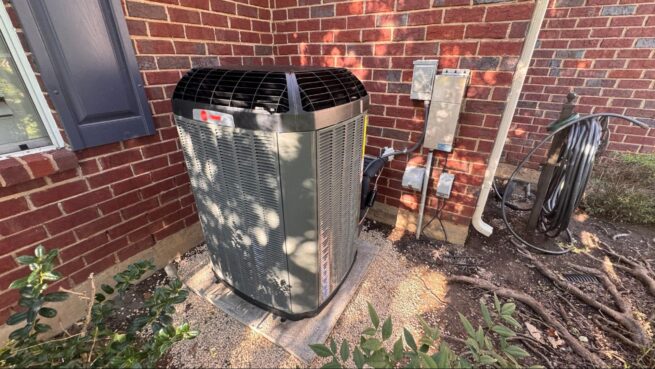
Air source heat pumps are considered a renewable energy source. This is because they primarily use the surrounding air to generate heat, reducing reliance on fossil fuels. Their efficiency can also lead to lower energy bills, offering long-term savings for homeowners.
Installation can be done in both new and existing homes, making them a flexible option for those seeking energy efficiency. With a lifespan of 15-20 years, they provide durable and reliable heating and cooling solutions.
How the Air Source Heat Pumps Tax Credit Works
The air source heat pumps tax credit is a federal incentive aimed at encouraging homeowners to adopt energy-efficient technologies. This tax credit reduces the overall cost of installing a heat pump system by a significant margin. It is part of the government’s larger renewable energy initiative to reduce national carbon emissions.
Homeowners can claim a percentage of the cost of a qualified air source heat pump installation when filing their federal income taxes. This percentage varies, so it’s crucial to stay updated with the current guidelines. Typically, the credit covers a notable portion of the installation expenses, making these systems more accessible to a broader range of homeowners.
Key aspects of the tax credit include:
- Applicable to new installations and system replacements.
- Claimed during the federal tax filing process.
- Requires proper documentation such as receipts and certification.

Claiming this tax credit helps make sustainable home improvements more affordable. It’s a great way for homeowners to take advantage of energy-efficient technologies while reducing upfront costs. Additionally, the tax credit can be combined with other financial incentives like state rebates and utility discounts. By doing so, homeowners can maximize their financial benefits. The credit is a limited-time offer, encouraging prompt action from interested homeowners.
Eligibility Criteria for the Tax Credit
To qualify for the air source heat pumps tax credit, specific eligibility requirements must be met. These criteria ensure that only energy-efficient systems receive the incentive. Homeowners need to be well-informed about these conditions to avoid any future discrepancies.
Firstly, the installed heat pump must meet certain energy efficiency standards. These standards are set to ensure that the systems contribute effectively to energy conservation efforts. It’s wise to check with the manufacturer for certification before making a purchase.
Secondly, the tax credit is available for primary residences and second homes, but not for rental properties. This limitation is important for homeowners planning to invest in properties for rental purposes.
To successfully claim the credit, consider the following checklist:
- Verify the heat pump’s energy efficiency rating.
- Ensure installation is in a qualifying residence.
- Gather necessary documentation like receipts and certifications.
Understanding these criteria is fundamental in successfully applying for the tax credit. Proper compliance can lead to significant savings and environmental benefits in the long run. Additionally, consulting a tax professional is advisable for clarity and compliance assurance.
How to Apply for the Air Source Heat Pumps Tax Credit
Applying for the air source heat pumps tax credit is a straightforward process. However, it requires attention to detail and proper documentation. Ensuring that all steps are correctly followed will help avoid potential issues when claiming your credit.
Begin by installing a qualifying air source heat pump in your home. Make sure the system meets the necessary energy efficiency standards. Properly installed systems are the foundation for claiming your tax credit.
When it’s time to file your federal income taxes, use IRS Form 5695, which is designated for Residential Energy Credits. This form will help you calculate the credit you’re eligible for. It’s crucial to fill out this form accurately.
Here’s a brief checklist to guide your application:
- Obtain and organize receipts and manufacturer certifications.
- Complete IRS Form 5695 accurately.
- Consult a tax professional if needed.

Additional Incentives: Heat Pump Rebates and Renewable Energy Credits
Beyond the air source heat pumps tax credit, additional incentives can further ease the financial burden. These incentives make installing energy-efficient heating systems even more attractive for homeowners. They not only reduce upfront costs but also promote long-term savings.
Heat pump rebates are often available through state programs and local utilities. These rebates provide immediate financial benefits. By lowering installation costs, they make it feasible for more homeowners to upgrade their systems. Rebates can vary widely in amount and eligibility conditions, so researching available options is vital.
Renewable energy credits (RECs) also play a role in promoting sustainable technologies. These credits are awarded for generating renewable energy, thereby reducing carbon footprints. RECs can be sold or traded, offering another layer of financial incentive.
Consider the following when exploring additional incentives:
- Check for state and local rebates for heat pump installations.
- Inquire if your energy provider offers specific programs or discounts.
- Understand the process and benefits of trading RECs.
Taking advantage of these incentives can dramatically reduce the overall cost of switching to an air source heat pump. These financial benefits complement the environmental advantages, encouraging more sustainable choices. Ultimately, combining rebates, credits, and tax incentives leads to a win-win scenario for both homeowners and the planet.
Benefits of Air Source Heat Pumps for Homeowners
Air source heat pumps offer many benefits that appeal to eco-conscious homeowners. They provide efficient heating and cooling by transferring heat rather than generating it. This results in lower energy consumption compared to traditional systems.
One of the most significant benefits is the reduction in energy bills. Air source heat pumps can save homeowners up to 50% on heating costs. Such savings make them an economically attractive choice. The efficiency of these systems leads to tangible financial advantages over time.
Another compelling aspect is the environmental impact. By utilizing ambient air, they contribute to reduced carbon emissions, aligning with global sustainability goals. This eco-friendly feature is crucial in today’s climate-conscious society.
Homeowners also enjoy other advantages:
- Increased property value due to energy-efficient installations.
- Improved indoor air quality with less reliance on fossil fuels.
- Quieter operation compared to conventional HVAC systems.
These benefits demonstrate why air source heat pumps are not only a practical investment but also a strategic move for future-proofing homes. Their role in fostering energy efficiency and sustainability adds immense value to any property.
Common Questions About the Tax Credit
Understanding the air source heat pumps tax credit can be complex. Many homeowners have questions about how to qualify and what the process entails. Here, we address some of the most common inquiries.
A frequent question is about eligibility. Homeowners need to ensure their systems meet specific energy efficiency standards to qualify for the credit. This typically involves choosing Energy Star-certified products, which guarantees compliance with federal guidelines.
Another common question is about the tax credit amount. The credit can cover a portion of installation costs, but the percentage and maximum limits vary. Staying updated with current legislation is essential for accurate information.
Homeowners also wonder about documentation. To claim the credit, you need receipts and a manufacturer’s certificate stating the system meets required criteria. This paperwork is necessary for tax filing purposes.
Finally, many ask if the credit can be combined with other incentives. Generally, it can be paired with state rebates or utility company discounts, offering greater financial relief. The combination of programs helps maximize savings on eco-friendly investments.
Here’s a quick list of common questions:
- Who is eligible for the tax credit?
- What documentation is necessary?
- How is the credit amount determined?
- Can the credit be combined with other incentives?
These answers simplify the complexities surrounding the tax credit, making it easier for homeowners to navigate the process successfully.
Tips for Maximizing Your Savings
To maximize savings with the air source heat pumps tax credit, consider strategic planning. Timing your purchase and installation can significantly impact your financial gain. Aim to complete installations when energy costs are low or during promotional periods.
Combining financial incentives can also help. Beyond the federal tax credit, explore other available rebates and discounts. These may come from state programs or utility companies, offering additional financial relief.
Keep meticulous records to streamline your tax credit application. Proper documentation ensures a smooth process when claiming the credit. Organize receipts, certifications, and any required forms well in advance. This preparation minimizes stress and potential errors during tax filing.
Here are quick tips for maximizing savings:
- Schedule installations wisely.
- Explore state and utility incentives.
- Maintain organized documentation.
These steps can ensure you capitalize on available financial benefits.
Conclusion: Making the Most of the Air Source Heat Pumps Tax Credit
The air source heat pumps tax credit provides a valuable opportunity for homeowners. By taking advantage of this financial incentive, you can lower upfront costs while investing in energy efficiency. It’s an excellent way to reduce your carbon footprint and enhance home comfort.
Understanding eligibility and requirements is crucial to maximize benefits. Ensure your heat pump meets specified standards and keep comprehensive records. With the right information, claiming the credit can be straightforward and rewarding.
This tax credit, along with additional rebates, underscores the government’s commitment to renewable energy. By participating, you support a sustainable future while enjoying personal financial gains. It’s a simple step towards a more eco-friendly lifestyle that benefits both your wallet and the planet.
Talk With a Heat Pump Pro
Get a quick, friendly consult—no pressure, just clear answers on IRS Form 5695, equipment options, and timelines.
