
A Complete Guide for Texas Homeowners & Businesses
If you’re shopping for a new AC system in Texas, you’ve likely come across the term “inverter air conditioner.” But what exactly does that mean, and is it worth the investment compared to a traditional AC unit (also known as a non inverter air conditioner)? In this guide, we’ll explain inverter technology in simple terms, compare it with standard systems, and show you what leading brands like Trane, Bosch, CHAMPION, and Cooper & Hunter offer in this growing category. Inverter technology is now available in various types of units, including window air conditioners, giving shoppers more options for efficient and quiet cooling.
Quick Take: Why Go Inverter?
Inverter ACs adjust their cooling output in real time, offering better efficiency, quieter operation, and more consistent comfort compared to older on/off systems. They’re ideal for Texas’ long cooling seasons.
In summary, inverters tend to be more energy efficient, operate more quietly, and maintain a steadier indoor temperature than traditional AC units.

What Is an Inverter AC?
An inverter air conditioner is a modern cooling system with a variable-speed compressor. Instead of turning on and off like traditional ACs, an inverter unit adjusts its power level based on your cooling needs—ramping up to operate the compressor motor at full speed when it’s hot, and slowing down once your room reaches the set temperature. The compressor motor plays a crucial role in this process, as its speed and operation are continuously modulated for optimal efficiency and quieter performance. In contrast, traditional ACs maintain temperature by repeatedly turning the compressor on and off in a cycle, leading to less consistent cooling and higher energy use. Think of it like cruise control for your HVAC system.
How Does It Work?
The heart of the inverter system is a variable-frequency drive that controls motor speed and manages power flow to the compressor. This allows the AC to:
- Use only the energy needed (no more power spikes from frequent cycling)
- Maintain a steady indoor temperature without wide swings
- Operate more quietly, since the compressor doesn’t blast on at full force
Just like a throttle in a vehicle’s cruise control system, the inverter modulates compressor speed to ensure smooth and efficient operation.
Key Features of Inverter ACs
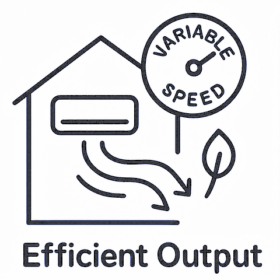
Efficient cooling output
Inverter air conditioners stand out from traditional models thanks to a suite of advanced features designed for maximum comfort and efficiency. At the heart of every inverter AC is a variable speed compressor, which intelligently adjusts its output to maintain your desired temperature without the constant on-off cycling of older systems. This means your air conditioner delivers efficient cooling exactly when and where you need it, resulting in lower energy consumption and significant energy savings over time.
Consistent cooling without swings
One of the biggest advantages of inverter technology is precise temperature control. Instead of experiencing uncomfortable temperature swings, inverter ACs provide consistent cooling, keeping your space at the perfect level all day long. This not only enhances comfort but also helps protect sensitive electronics and furnishings from heat fluctuations.

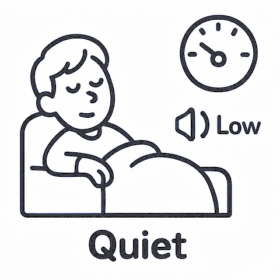
Lower noise level
Noise is another area where inverter air conditioners excel. By operating at lower speeds when full power isn’t needed, these units are significantly quieter than non-inverter air conditioners—making them ideal for bedrooms, offices, and any space where peace and quiet matter.
Designed for convenience
Modern inverter ACs are also designed for convenience. Many models feature easy installation, intuitive control panels, and included remote controls, so you can adjust settings and fan speed with ease. Whether you’re looking to cool a single room or an entire home, inverter air conditioners offer a flexible, energy-efficient solution that adapts to your needs and helps you save energy every month.

Inverter AC vs Traditional AC: Key Differences
| Feature | Inverter AC | Non-Inverter AC |
|---|---|---|
| Compressor Operation | Variable speed | Fixed speed (on/off) |
| Energy Efficiency |  Very high (up to 40-50% savings) Very high (up to 40-50% savings) |  Lower, less efficient, higher power consumption Lower, less efficient, higher power consumption |
| Comfort | Steady temp control, maintains desired level | Temp swings, less precise, struggles to keep room evenly cooled |
| Noise Level | Quiet | Can be loud |
| Lifespan | Longer, less wear | More wear from cycling |
| Upfront Cost | Higher | Lower |
Bottom line? While inverter systems cost more upfront, they save energy and reduce long-term wear—especially helpful in Texas, where ACs run hard for months. Inverter ACs keep rooms more evenly cooled and maintain your desired level of comfort more effectively than non inverter acs. They also use less power, resulting in lower power consumption compared to traditional non-inverter models.
Inverter AC Market: 2025 Trends
- Globally, inverter ACs account for 67%+ of air conditioner sales, and that number keeps growing
- In Texas, inverter units now make up 50%+ of new central AC installations, with a significant number of inverter systems being installed in new homes and businesses as homeowners prioritize efficiency
- Most new ductless and mini-split systems are inverter-based by default
Traditional fixed-speed systems are still sold—mostly as budget options or in legacy installations—but the future is clearly headed toward inverters.
Types of Inverter Systems on the Market
- Single-Zone Mini-Splits – Ideal for room-by-room control; most use inverter tech
- Multi-Zone Systems – One inverter compressor powers multiple indoor units
- Central Inverter Systems – Works with ductwork; many high-end systems now use inverter compressors
- Dual Inverter Models – Twin compressors offer ultra-quiet, super-efficient operation
- Inverter Window ACs – Window air conditioners with inverter technology provide energy efficiency, quieter operation, smoother temperature control, and long-term cost savings compared to traditional window AC units
Efficient Cooling Solutions for Texas Homes & Businesses

When it comes to beating the Texas heat, inverter air conditioners are a smart investment for both homes and businesses. These energy efficient systems are engineered to deliver consistent cooling even during extreme temperatures, ensuring your space stays comfortable on the hottest summer days. By using advanced inverter technology, these air conditioners operate efficiently at variable speeds, which means they use only the energy required to maintain your desired temperature—helping you save energy and reduce your electricity bill.
Inverter ACs are not only more efficient than standard models, but they’re also significantly quieter, thanks to their ability to run at lower speeds when full power isn’t needed. This makes them perfect for environments where noise can be a distraction, such as offices, bedrooms, or meeting rooms. HVAC experts often recommend inverter models for their easy installation, reliable operation, and the ability to provide a decent amount of cooling capacity without running at full blast all the time.
Another major advantage of inverter air conditioners is their positive impact on the environment. By minimizing energy consumption and using eco-friendly refrigerants, these systems help lower your carbon footprint while still delivering powerful, efficient cooling. Whether you’re upgrading your current system or installing a new air conditioner, inverter ACs offer a range of benefits—from protecting your investment with advanced features to ensuring your space remains cool and comfortable year round.
For Texas homeowners and businesses looking to save energy, reduce operating costs, and enjoy efficient cooling, inverter air conditioners are the clear choice. With their advanced technology and proven performance, they’re designed to keep you cool, comfortable, and energy efficient—no matter how high the temperatures climb.
Maintenance for Your Inverter AC
We recommend a simple rhythm to keep your inverter system running at peak efficiency:
- keep the filter clean,
- keep the outdoor unit clear,
- and schedule a pre-season tune-up.
We also suggest a yearly tune-up in spring. We’ll calibrate the thermostat and controls, inspect and clean indoor/outdoor coils, flush the condensate drain, check electrical components, and verify refrigerant levels so the variable-speed compressor can modulate smoothly. A proper visit helps prevent breakdowns, trim energy use, and extend system life.
Want a quick checklist you can save? See our full guide: Preventative Maintenance for Your AC System
Top Brands with Inverter Technology
Trane: Ultra-Precision Comfort
- Flagship XV20i offers 700+ compressor speed stages
- Trane TruComfort™ keeps temps within 0.5°F of your setting
- Sound levels as low as 55 dB
- Aluminum Spine Fin™ coils for durability and efficiency
Bosch: Inverter Power for Ducted Homes
- Bosch IDS systems modulate from 33% to 110% capacity
- Super quiet: as low as 59 dB(A)
- Built for retrofits—perfect for upgrading older ducted homes
CHAMPION (Johnson Controls): Compact & Smart
- HMH7 inverter heat pump operates from 35% to 100% output
- Space-saving side-discharge design
- Quiet as a dishwasher: ~54 dB
Cooper & Hunter: Versatile Multi-Zone Experts
- Multi-zone systems with G10 inverter tech
- Up to 22–23 SEER for high efficiency
- Wi-Fi ready and smart-home compatible
- Ideal for homes without ductwork
Should You Upgrade to an Inverter AC in Texas?
If you:
- Use your AC heavily (which is almost everyone in North Texas)
- Want to cut energy bills significantly, and need efficient cooling for a variety of spaces—from single rooms to large homes or businesses
- Need quiet, reliable cooling year-round
Then an inverter system is absolutely worth it. Many customers see a return on their investment in just 3–5 years, thanks to lower electricity usage.
Looking to Upgrade Your AC in Plano or Nearby?
We install high-efficiency inverter systems from top brands like Trane and Cooper & Hunter. Whether you’re in Plano, McKinney, Southlake, or Dallas, we’ll help you choose the right AC for your home or business.
FAQs About Inverter ACs
Yes. It’s quieter, more efficient, and more comfortable—but slightly more expensive upfront. Inverter ACs deliver a steady flow of cold air and cool air, maintaining a consistent room temperature for better comfort. They also often use environmentally friendly refrigerant, reducing environmental impact.
Inverter systems can cut energy usage by 30–50% vs. non-inverter units. They also keep rooms more evenly cooled, enhancing comfort and efficiency.
Generally yes—variable-speed operation reduces wear on components.
Nope! Many central systems now come with inverter compressors. Inverter ACs can provide both cooling and heating functions for year-round comfort.
