
It’s not a pleasurable moment: the thermostat says “cool,” the vents are blowing… but the air feels warm—and when you step outside, the outdoor unit is quiet. If your inside AC is running but the outside unit isn’t, you’re not alone. This happens a lot, and it usually means the system isn’t able to dump heat outside—so you won’t get real cooling indoors.
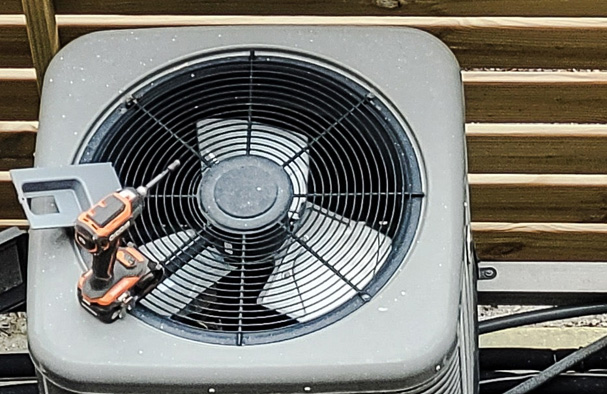
When your outside AC unit isn’t running, but the inside unit is still blowing, it can feel like your system is trolling you—especially in a North Texas summer. The good news: this is a common setup (the indoor blower can run even if the outdoor condenser is off), and in many cases, the fix is something straightforward like a power issue, a thermostat setting, or a safety shutoff.
Need help fast in Plano, Frisco, Allen, McKinney, or Dallas? Our technicians can diagnose it quickly and get you cooling again.
Electrical Issues
- Power surges or electrical issues can cause the outside AC unit to stop running while the inside unit remains operational. Check safety and power switches to ensure they are on, as this is a common troubleshooting step.
- A tripped circuit breaker or blown fuse can prevent the outside unit from receiving power, resulting in warm air coming from the vents.
- Checking the fuse box or circuit breakers and switching them off and on can help reset the system and restore power to the outdoor unit.
- Hiring a licensed electrician may be necessary to address more complex electrical problems.
Power-Related Issues
- A faulty or bad capacitor can prevent the outdoor AC unit’s fan motor from running, causing the unit to shut down.
- Power-related issues, such as a shut-off switch or safety switch malfunction, can also stop the outside unit from working. Sometimes, power switches or reset buttons may have been accidentally turned off, causing the unit to stop.
- Ensuring the thermostat settings are correct and the temperature is not too high can help resolve power-related issues. If the thermostat uses batteries, replacing them with fresh ones can also help.
- Sometimes the system may need to be reset by turning the power off and then back on to restore functionality.
- Regularly inspecting the outdoor unit’s power supply and connections can help prevent power-related problems.
Air Conditioning Unit Components
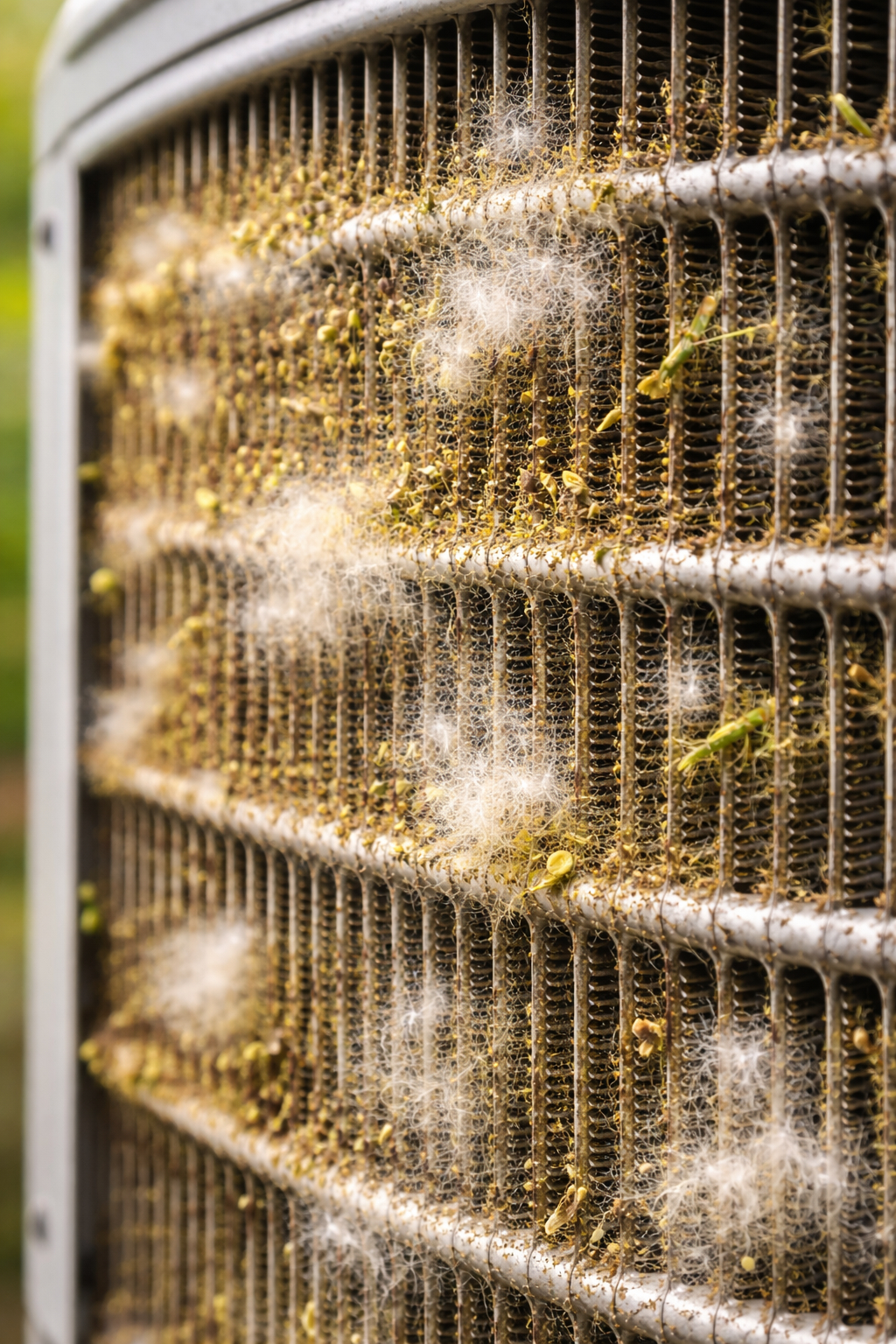
- The outdoor air conditioner fans, including the condenser fan and AC condenser fan, along with the compressor and condenser coils, are critical components of the air conditioning unit.
- Fan motor failure or compressor failure can cause the outside unit to stop running, resulting in warm air or hot air coming from the vents. If the fan fails, other components in the outdoor unit may still be working properly.
- Regular maintenance, such as cleaning the condenser coils and checking the fan axle, can help prevent component failure. Maintaining the energy storage capabilities of capacitors is important for reliable operation. Dual capacitors power both the fan and compressor in many residential units. If a capacitor fails, it can prevent the fan from operating.
- Replacing faulty components, such as bad capacitors, dual capacitors, or blown fuses, may require a professional to restore the outside unit’s function.
Compressor Failure
Air conditioner compressor failure is a common issue that can cause the outside AC unit to stop running. Compressor failure can also affect heat pump systems, impacting both cooling and heating functions.
Compressor failure can result from various factors, including excessive heat, high temperatures, power surges, or low refrigerant levels.
Replacing the compressor or repairing the air conditioning unit may be necessary to resolve the issue. When the compressor fails, the system cannot produce cold air. Ice buildup on the compressor or refrigerant lines can also be a sign of underlying issues.
Regular maintenance, such as checking refrigerant levels, inspecting the compressor, and ensuring proper heat dissipation, can help prevent compressor failure and support both cooling and heating performance.
Thermostat Settings
- Incorrect air conditioner thermostat settings can prevent the outside AC unit from running, resulting in warm air or hot air coming from the vents.
- The indoor air handler may continue to blow air inside even if the outdoor unit is not running, which can cause confusion when troubleshooting.
- The indoor evaporator is responsible for cooling the air inside the home, so if the outdoor unit is off, the air handler may circulate uncooled air.
- Ensuring the thermostat is set to cool and the temperature setting is not too high can help resolve the issue.
- Regularly inspecting the thermostat and its connections can help prevent thermostat-related problems.
- Hiring a professionally certified technician can help diagnose and repair complex thermostat issues.
Troubleshooting Steps
When your outside AC unit isn’t running but the inside unit is, there are several troubleshooting steps you can take before calling a professional.
Start by double-checking your thermostat settings—make sure it’s set to “cool” and that the temperature is set lower than the current room temperature.
Next, check your fuse box or circuit breaker panel to see if a breaker has tripped or a fuse has blown, as this can cut power to the outdoor unit. Inspect the area around your outside AC unit for debris, such as leaves or branches, that could block the fan or airflow.
Don’t forget to check the condensate drain line; a clog here can trigger a safety switch that shuts off the system to prevent water damage.
If everything looks clear, try resetting the system by turning off the thermostat or breaker for a minute, then turning it back on. If your outside AC still won’t start, call a professional to diagnose the issue and get your cooling system back on track.
Maintenance and Repair
Keeping your outside AC unit in top shape requires regular maintenance.
- Clean the condenser coils and remove debris from around the outdoor unit to ensure proper airflow.
- Check and replace air filters regularly, as clogged filters can strain the system.
- Inspect the condensate drain line and fan axle for any signs of blockage or debris that could hinder performance.
- Inspect the fan motor and capacitor for signs of wear or damage, as these components are vital for the outdoor unit’s operation.
Scheduling yearly maintenance with a trained technician is the best way to catch potential issues early, check refrigerant levels, and keep your AC unit running efficiently. If you experience fan motor failure, a faulty capacitor, or compressor problems, it is usually more effective to replace the damaged part rather than attempt a DIY repair. A professional can quickly identify the issue and perform the necessary repairs or replacements, ensuring your air conditioning system stays reliable and efficient.
By staying proactive with these preventative measures, you help your AC unit last longer, keep your energy bills in check, and enjoy a consistently cool and comfortable home.
Professional Help: When to Call an Expert
If you’ve tried basic troubleshooting and your outside AC unit still isn’t running, it’s time to call in a professionally certified technician. Certain problems—like compressor failure, refrigerant leaks, or persistent warm air coming from your vents—require specialized knowledge and tools to fix safely. Electrical issues or physical damage to the unit are also best left to the experts, as attempting repairs without proper training can be dangerous and may lead to more costly damage.
If your AC unit is making unusual noises, not producing cool air, or you suspect a refrigerant issue, don’t hesitate to contact our licensed HVAC professional. They can accurately diagnose the problem and restore your system to peak performance, keeping your home comfortable and safe.
Conclusion
Dealing with an outside AC unit that is not running can be stressful, but with the right approach, you can quickly get your system back to producing cool air. By following troubleshooting steps, keeping up with regular maintenance, and knowing when to call a professional, you ensure your AC unit stays in top condition. Always prioritize safety and consult a licensed HVAC technician if you are unsure about any repair or maintenance task.
With proper care, your outside AC unit will provide reliable cooling for years to come, helping you stay comfortable and worry-free all summer. Regular attention and preventative measures not only keep your system running smoothly but also save you time, money, and hassle in the future.
