
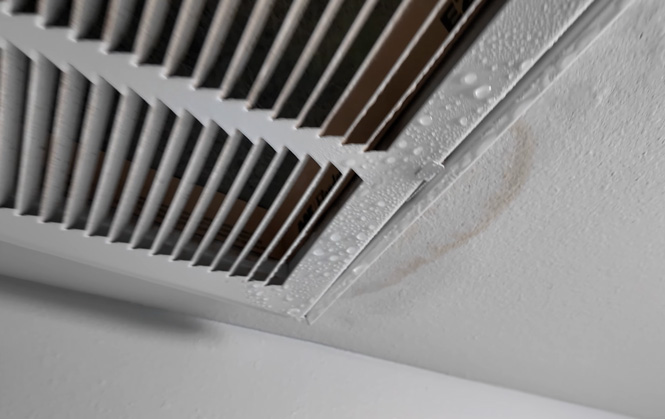
It can be alarming to see water spraying or dripping from your AC unit – especially in the middle of a hot Texas summer. If your air conditioner is spitting water, there’s likely an underlying issue that needs attention, such as an ac leak or air conditioner leaks. An air conditioner leaking water is a common problem that requires prompt attention to prevent further damage. A clogged condensate drain line is one of the most common causes of air conditioner water leakage.
A leaking air conditioner and water leakage are common issues homeowners face, often leading to water damage and increased energy consumption if not addressed promptly.
In this article, we’ll walk you through the most common causes of leaks in your air conditioning system, how to fix them, and when to call in a professional. If you live in Plano, Frisco, Dallas, or nearby areas, AirMatics is here to help!

Introduction: Why Water Leaks from Your AC Matter in Texas
When your air conditioner starts leaking water inside, it’s more than just a minor inconvenience – especially in Texas, where your AC unit works overtime to keep your home cool. A leaking air conditioner can quickly lead to water damage, which may ruin floors, walls, and furniture. Even worse, persistent water leaks create the perfect environment for mold growth, putting your family’s health at risk. Air conditioner leaks can also drive up your electricity bills as your AC struggles to keep up. That’s why it’s so important to understand why your AC unit might be leaking, how to spot the warning signs, and what you can do to prevent leaks before they cause bigger problems. In this article, we’ll break down the most common causes of air conditioner leaks, how to identify them, and the best ways to keep your AC running smoothly all summer long.
Identifying Warning Signs of AC Water Leaks
Catching air conditioner water leaks early can save you from costly repairs and further damage. Watch for water dripping or leaking from your AC unit, or any water pooling around the base of the unit. A musty smell coming from your air conditioner can also be a red flag, as it may signal mold growth inside the system. If your air filter is dirty or clogged, it can cause the evaporator coil to freeze, which often leads to water leaks when the ice melts. Other warning signs include your AC unit not cooling as well as it should, or making strange noises that weren’t there before. Regularly checking your air conditioner for these signs – like water dripping, leaks, or a clogged air filter – can help you catch problems early and prevent further damage to your home.
Understanding How Your Air Conditioner Handles Water
Your air conditioner is designed to manage water through a process called condensation. As warm air from your home passes over the cold evaporator coil, moisture in the air turns into water droplets – just like how water forms on a cold glass on a hot day. These water droplets collect in a condensate pan located beneath the coil. From there, the water is supposed to flow out of your home through a drain line. If the drain line becomes clogged or the condensate pan is damaged, water can’t escape properly and may leak into your home. This not only causes water damage but can also lead to mold growth if left unchecked. By understanding how your air conditioner handles water, you’ll be better prepared to spot leaks and keep your system running efficiently.
Top Reasons Your AC Is Spitting or Spraying Water
1. Clogged Condensate Drain Line
Your AC pulls moisture from the air and drains it through a condensate line. A clogged condensate drain line is the most common cause of water leaking from an AC unit. If that line gets clogged with algae, dust, dirt, or debris, the water can back up and overflow inside the unit, sometimes spraying out of vents. When the drain line is clogged, water leaking can occur as the backed-up water enters your home. A clogged drain or clogged drain line can occur due to debris blocking the flow of water, leading to leaks and potential water damage.
Signs: Water around the indoor unit, gurgling sounds, humidity issues
Fix: Clear the drain line with a wet/dry vacuum or schedule professional maintenance. As part of regular maintenance, remove debris from the drain line to prevent clogs and leaks.
2. Dirty or Clogged Air Filter
A dirty air filter can restrict airflow, which may cause the evaporator coil to freeze and eventually lead to water leaks. Restricted airflow can cause the evaporator coil to freeze, leading to frozen coils and excessively cold evaporator coils, and when it melts, water may spray from vents or pool in the unit.
Signs: Reduced cooling, ice on coils, cold spots on the evaporator coils, odd noises
Fix: Replace the filter (every 1–3 months in Texas summers!) and ensure proper airflow. Regularly changing the air filter can prevent condensation and water leakage.
3. Low Refrigerant Levels
Low refrigerant can also cause freezing on the coils. When that ice melts, it can lead to unexpected dripping or water spit from the indoor vents.
Signs: AC not cooling well, hissing noises, ice on lines or coils, frozen evaporator coils
Fix: A certified HVAC technician should inspect and recharge the system, and also check for a refrigerant leak. Monitoring refrigerant levels can help maintain proper AC functionality.
4. Improper Installation or Poor Tilt
Window AC units should be installed with a slight tilt to let condensation drain outside. Window air conditioners that are not installed properly can develop a water problem, as improper angling may cause water to accumulate and spray inside.
Signs: Water puddles near the window unit, dripping indoors
Fix: Adjust the angle of the unit or consult an HVAC pro to ensure the unit is installed properly and to prevent a water problem.
5. Excess Humidity in the Air
Texas humidity can overwhelm an older or undersized AC system, leading to excess condensation and occasional spitting from vents. When humidity is high, water condenses on the evaporator coil as warm air contacts the cold surface, forming water droplets similar to condensation on a cold glass.
Signs: Damp feeling indoors, visible moisture near vents
Fix: Use a dehumidifier or upgrade your system to handle high humidity loads
Preventative Measures: How to Stop AC Leaks Before They Start
The best way to avoid air conditioner leaks is to take preventative action. Start by regularly checking and replacing your air filter – dirty air filters can cause the evaporator coil to freeze, leading to water leaks when the ice melts. Make it a habit to inspect your condensate drain line and pan for any signs of clogs, debris, or damage. Using a wet dry vacuum can help clear out any blockages in the drain line, ensuring water flows freely out of your home. Don’t forget to check the condensate pan for rust or cracks, which can also cause leaks. It’s also important to make sure your AC unit is installed properly, as improper installation can lead to drainage problems. By regularly checking your air conditioner, keeping the drain line and pan clean, and addressing dirty air filters, you can prevent most air conditioner leaks and keep your AC unit running smoothly all season long.
What NOT to Do When You Spot a Leak
If you notice a leak in your air conditioner, it’s important to avoid making the problem worse. Don’t try to fix the leak yourself unless you’re experienced – DIY repairs can cause further damage and may even void your warranty. Never ignore a leak, as this can quickly lead to water damage, mold growth, and higher energy bills. Avoid running your air conditioner while it’s leaking, since this can cause additional issues and put your system at risk. Most importantly, don’t delay in calling a professional for help. The longer you wait, the more likely you are to face costly repairs and potential health risks from mold. By knowing what not to do when you spot a leak, you can help protect your home and ensure your air conditioner is repaired safely and effectively.
What NOT to Do
- Don’t ignore water leaks – they can lead to mold, electrical issues, and system damage, and further damage such as water damage to your home
- Don’t try to add refrigerant yourself – it’s dangerous and requires certification
- Don’t hesitate to seek professional help if you’re unsure about the cause or solution.
- Scheduling annual maintenance can help prevent air conditioner leaks.
When to Call AirMatics
If your AC is spitting water or showing signs of leaks, it’s best to let a pro take a look. A qualified HVAC technician can quickly diagnose a leaking ac unit and identify issues such as a broken condensate pump. At AirMatics, we provide fast, friendly AC service across Plano, McKinney, Frisco, Dallas, and surrounding areas. Our certified techs can:
- Unclog drain lines
- Clean coils and filters
- Check refrigerant levels
- Diagnose and repair leaks
- Regularly clean the outdoor unit to help keep debris out of the coils and drain line.
FAQs: AC Spitting Water
A little condensation outside is normal. But water spitting from vents or pooling inside is not.
Yes! It restricts airflow and leads to coil freezing, which melts and causes water issues.
Absolutely. It stresses the system and can lead to compressor failure. Call a pro.
Yes, especially if there’s active dripping or spraying. Turn it off and call a technician. You should turn off your AC’s thermostat to prevent further damage when it starts leaking.
The condensate pan (also called a drip pan, drain pan, or condensation pan) collects water inside your air conditioning unit that forms from condensation on the evaporator coil. Water collected in the drip pan should flow out through the unit’s drain line. If this pan becomes clogged, rusted, cracked, or you have a damaged drain pan, it can cause water inside the unit to leak out. This can lead to water damage in your home. The outdoor unit, which houses components like the compressor and condenser coil, can also develop leaks if its pan is compromised or blocked.
Sometimes, yes. A simple fix like clearing debris from the condensation pan or drain pan, or unclogging the drain line, can often resolve water leaks. Always check these areas first before calling for professional help.
